

Written by María de los Ángeles Barrios
✉️ marianbarrios@mersanlaw.com
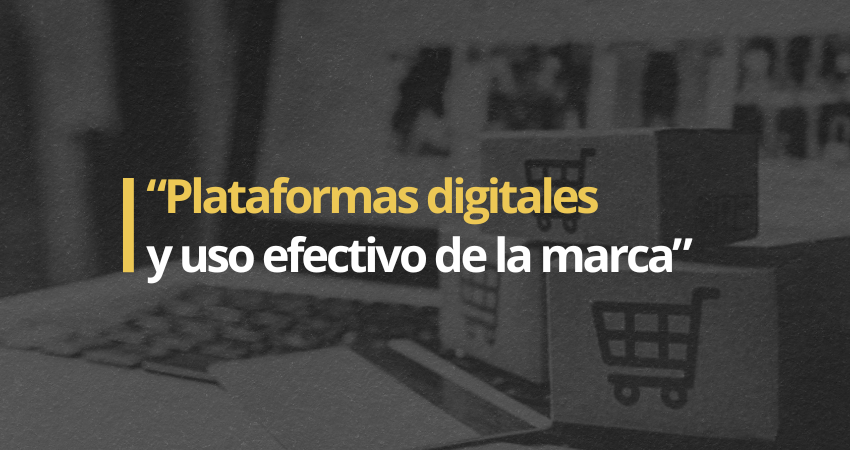
Digital Platforms and Effective Brand Utilization
The use of digital platforms as a tool for promoting and strengthening a brand is essential in today's world of e-commerce and digital communication.
The importance of digital platforms in brand strategies is widely recognized and is reflected in various practices and trends in the fields of marketing and brand management. These platforms enable brands to reach a global audience instantly and effectively.
Thanks to websites, social media, mobile apps, and other online channels, brands can reach consumers around the world and increase its visibility significantly.
Importance from an intellectual property perspective
Its relevance and impact on today's commerce also make it necessary to analyze it from an intellectual property perspective.
In today's digital age, the concept of trademark use has evolved considerably, especially with the proliferation of online platforms, websites, etc.
In fact, it can play a crucial role as evidence of commercial activity and the brand's distinctiveness in the market.
Evidence of effective use in the digital realm
Without a doubt, it can serve as tangible evidence that The trademark has been used in a genuine and effective manner in retail, provided that these digital platforms demonstrate the brand's ongoing commercial activity.
It could also support the argument that The brand has been used effectively over time. This may include evidence of regular updates to digital content, interaction with customers on social media, and other indicators of ongoing online business activity.
Using the brand on digital platforms can provide evidence of the geographic scope of its use. Companies can submit data on online audience reach, the geographic distribution of customers, and other relevant metrics to demonstrate that the brand has been used effectively in specific regions or at the national and international levels.
Now, let's imagine the following:
A Paraguayan consumer wants to buy a specific product from a brand they're interested in, but discovers that the digital platform where this product is offered is not available in Paraguay.
Does this mean that the brand isn't being used effectively in the country?
Legal Challenges in the Digital Age
From a legal perspective, this situation presents fascinating challenges.
- On the one hand, the law requires actual and continuous use of the trademark in the local market.
- On the other hand, the lack of access to certain foreign digital platforms could make it difficult to demonstrate this effective use.
But here's the exciting part:
Is this presence sufficient to demonstrate the brand's actual use in Paraguay?
These are questions that not only spark legal interest but also intellectual curiosity.
Both the question and its possible answers are full of twists and turns, with the interpretation of the law and the assessment of probative value taking center stage.
Final Thoughts
Digital access and the effective use of trademarks in Paraguay are issues that challenge not only our legal system but also our understanding of digital dynamics in today's society.
Our legal system provides that the genuine use of a trademark entails the actual and continuous use of the trademark in the local market to identify goods or services. However, The law does not specify how this use must be demonstrated in the digital context, especially with regard to foreign digital platforms.
The truth is that Paraguayan consumers’ inability to access products or services offered by foreign digital platforms poses challenges in terms of complying with the requirement of actual use of the trademark.
The key question is: whether the lack of access to these platforms negatively affects the ability to demonstrate the trademark's actual use in the local market.
Ultimately, the interpretation and application of the law regarding this matter will depend on the specific circumstances of the case and the case law established by our courts on this issue.
 Español
  English
  Português do Brasil